One of the most important things to know about glaucoma is that it often develops slowly and quietly. In many cases, the earliest stages do not cause pain or obvious vision changes. That is why glaucoma is often called the “silent thief of sight.” It can begin damaging the optic nerve before a person realizes anything is wrong.
Subtle Vision Changes Can Be an Early Warning
As glaucoma progresses, some people begin to notice small changes in vision. A common early sign is the gradual loss of peripheral vision, which means side vision becomes less clear over time. Because this change can happen very slowly, many people adapt without realizing their vision is narrowing. Some may also feel like they are missing objects off to the side or need to turn their head more often to see clearly.
Other Symptoms May Appear in Certain Cases
Not all glaucoma develops the same way. While the most common type often has few early symptoms, some forms can cause more sudden warning signs. These may include eye pain, blurred vision, halos around lights, headaches, redness, nausea, or vomiting. Sudden symptoms should never be ignored because they may require urgent medical attention.
Common Early Signs to Watch For
Gradual loss of side vision
Trouble adjusting to dim lighting
Blurry vision that seems unusual
Halos around lights
Eye pain or pressure
Frequent headaches with visual discomfort
Redness with sudden vision changes
Why Early Detection Matters
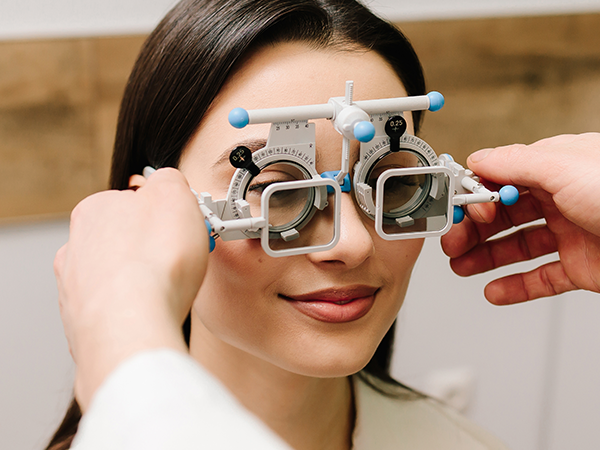
Glaucoma damages the optic nerve, and that damage cannot be reversed. The goal of treatment is to catch the condition early and help slow or prevent further vision loss. Routine eye exams are essential because they allow your eye doctor to measure eye pressure, examine the optic nerve, and look for changes that may not be noticeable to you yet.
Who May Be at Higher Risk
Some people have a higher risk of developing glaucoma than others. Risk factors can include age, family history, high eye pressure, diabetes, past eye injuries, and certain medical conditions. Even if you feel your vision is fine, being in a higher-risk group makes regular comprehensive eye exams even more important.
When to Schedule an Eye Exam
If you have noticed subtle vision changes, have a family history of glaucoma, or simply have not had an eye exam recently, it is a good idea to schedule a visit. Early detection gives you the best chance to protect your long-term vision and begin treatment if needed.
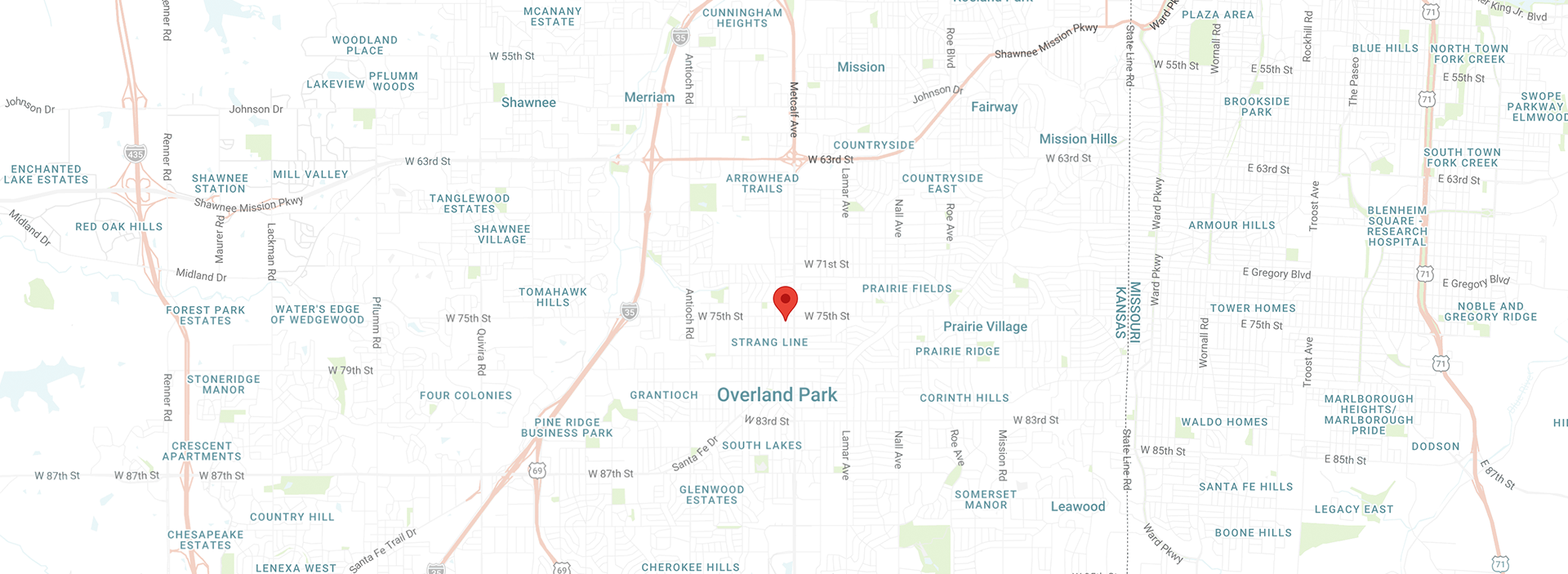
Schedule your eye exam with Focal Point Eye Care in Overland Park, KS by calling (913) 341-2323.