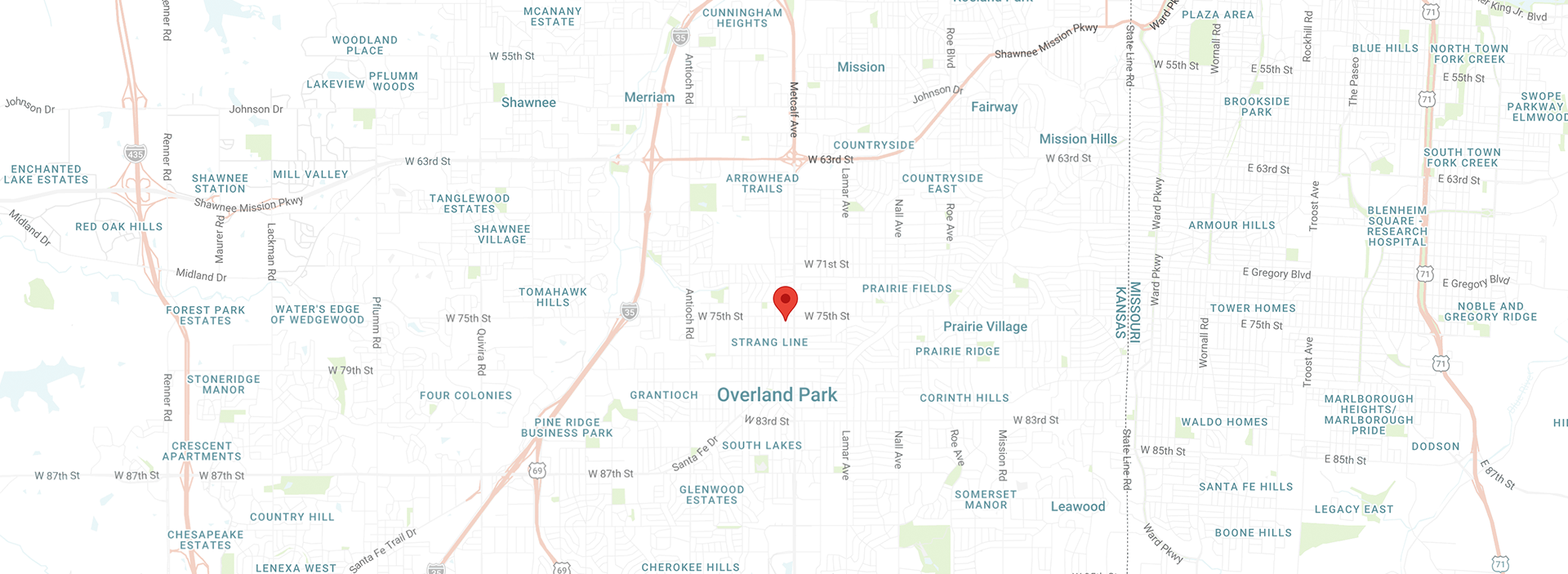

7510 Floyd St.
Overland Park, KS 66204
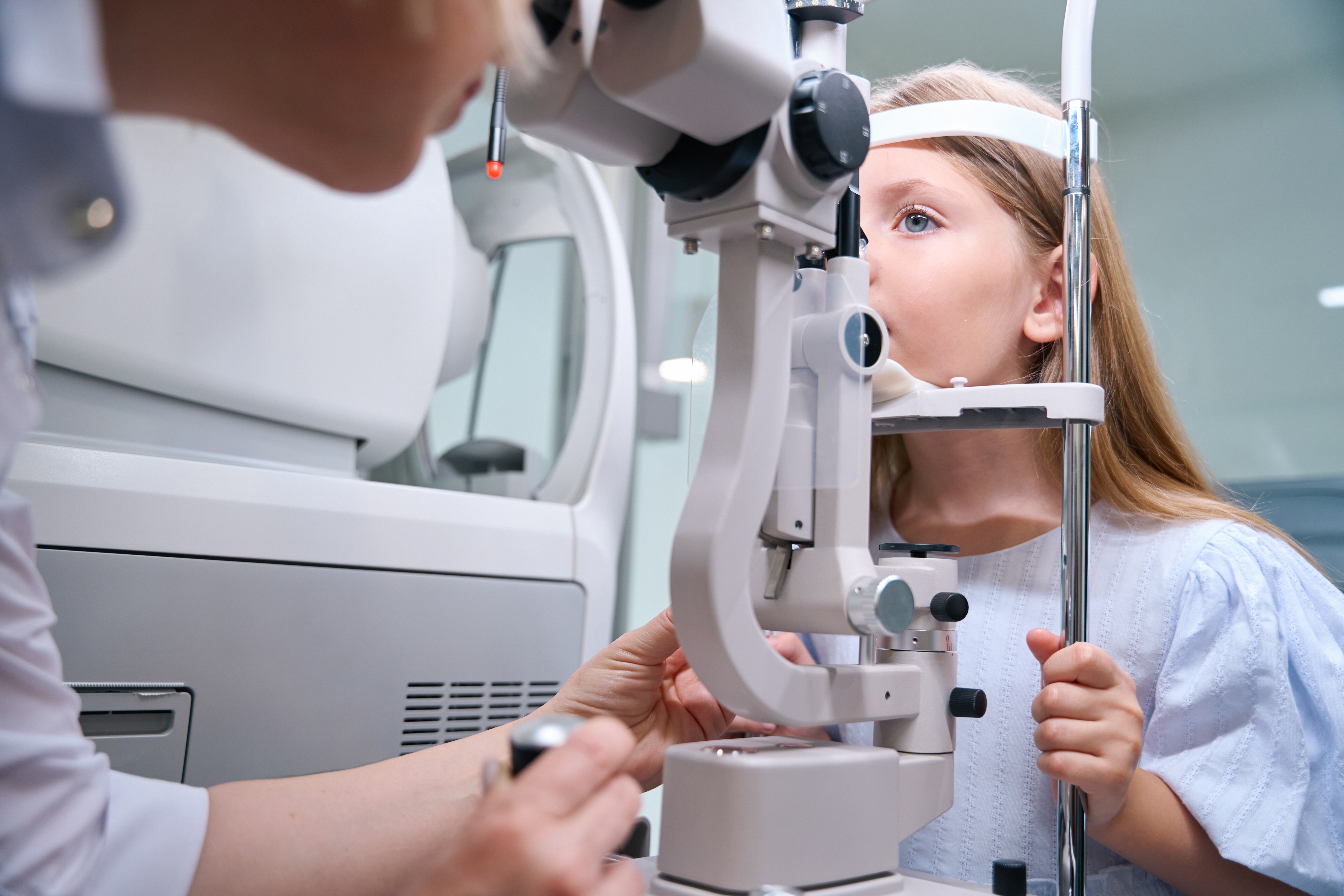
School vision screenings can be a helpful first step in identifying possible vision concerns, but they are not the same as a comprehensive eye exam. A child may pass a school screening and still have vision or eye health issues that affect reading, classroom performance, sports, or daily activities.
For parents in Overland Park, understanding the difference between a school vision screening and a comprehensive eye exam can help ensure children receive the level of eye care they need.
What Does a School Vision Screening Check?
School vision screenings are designed to quickly identify children who may have an obvious vision problem and need further evaluation. Screening methods vary, but many focus primarily on how clearly a child can see letters or symbols at a distance.
A screening may detect certain cases of nearsightedness or other noticeable visual difficulties. However, it is not intended to diagnose every vision condition or assess the complete health and function of the eyes.
Passing a screening is encouraging, but it does not necessarily mean that every aspect of a child's vision is working as expected.
How Is a Comprehensive Eye Exam Different?
A comprehensive eye exam performed by an optometrist provides a more detailed evaluation. Rather than focusing on just one or two aspects of vision, the exam evaluates visual clarity, prescription needs, eye coordination, focusing ability, and overall eye health.
Depending on the child's age and individual needs, an eye doctor may evaluate:
- Near and distance visual acuity
- Nearsightedness, farsightedness, and astigmatism
- Eye teaming and alignment
- Focusing ability
- Eye movements and tracking
- Overall eye health
This broader assessment can identify concerns that may not be apparent during a routine school vision screening.
Can a Child Have 20/20 Vision and Still Have a Vision Problem?
Yes. A 20/20 result describes how clearly someone can see at a specific distance under testing conditions. It does not measure every visual skill children use throughout the school day.
For example, some children may see the classroom board clearly but have difficulty maintaining focus while reading, coordinating their eyes at near distances, or comfortably switching focus between a book and the board.
These challenges can sometimes contribute to eye strain, headaches, losing one's place while reading, or avoiding visually demanding activities. Because these symptoms can overlap with other learning or attention concerns, an eye exam is important for determining whether vision may be contributing.
When Should Parents Schedule a Comprehensive Eye Exam?
Parents do not need to wait for a failed school vision screening to schedule an eye exam. Children may benefit from comprehensive eye care even when they are not reporting obvious problems.
An evaluation may be especially worthwhile if your child frequently squints, sits close to screens, rubs their eyes, complains of headaches or blurry vision, struggles to maintain their place while reading, or has experienced a noticeable change in school performance.
Routine comprehensive eye exams also give your optometrist an opportunity to monitor changes as your child's eyes and visual demands develop.
Supporting Your Child's Vision Beyond a School Screening
School screenings serve an important purpose by helping identify children who may need further attention. A comprehensive eye exam provides a more complete picture of how a child's eyes see, work together, and stay healthy.
Give your child clearer support for the classroom and beyond and schedule a comprehensive pediatric eye exam with Focal Point Eye Care in Overland Park, KS, by calling (913) 341-2323 to evaluate their individual vision needs.
Helpful Articles
All Eye Care Services
Discover personalized eyecare excellence with our comprehensive services. From precise prescriptions to advanced diagnostics, trust us for all your vision needs
Keep In Touch
For non-urgent questions or to learn more about our services, contact us today!

- Monday Closed
- Tuesday 8:00am - 6:00pm
- Wednesday 8:00am - 6:00pm
- Thursday 8:00am - 6:00pm
- Friday 8:00am - 4:00pm
- Saturday Closed
- Sunday Closed
© 2026 Focal Point Eye Care. All rights Reserved - Accessibility Statement - Privacy Policy - Sitemap
Powered by
